
Kölnbrein Dam
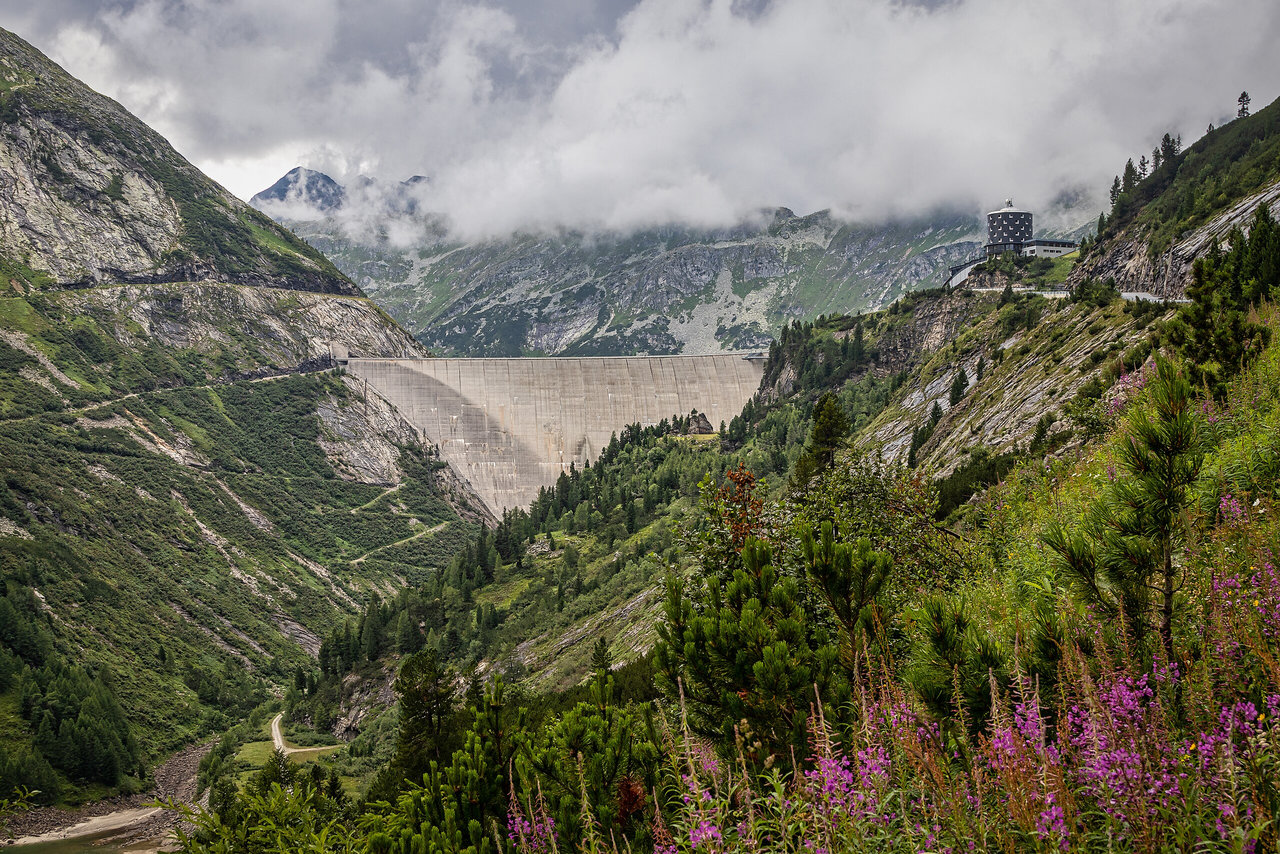
Superbass, CC BY-SA 4.0, via Wikimedia Commons

About this Site
The Kölnbrein Dam, completed in 1977, is Austria’s tallest dam at 200 m high and 626 m long. It is a concrete arch structure forming the upper reservoir for the pumped-storage Malta–Reisseck power system. Built between 1971–79, it stores up to 205 million m³ behind its crest, feeding turbines that generate a combined 1,028.5 MW across multiple stages, and producing over 1,200 GWh annually. Engineering challenges included constructing at 1,902 m altitude along a winding Alpine route with rock tunnels and hairpin bends. Structural stabilization advanced through innovative grouting and downstream thrust-block additions after initial cracking during impoundment. The dam is also equipped with the world’s first “Airwalk” – a glass cantilever viewing platform that extends over the crest, giving a direct view into the valley below. It stands as a landmark of Alpine hydropower engineering, combining massive structural design, pumped-storage technology, and public engagement within the Verbund energy network.
Visitor Information
Between May and October (season dependent on the alpine road), visitors can access the dam and the Airwalk daily from 09:00 to 16:00. Guided tours inside the dam are offered June–September, with regular intervals from 09:00 to 16:00; in May and October, tours are available on request. Admission for individuals is €11, with reduced rates (€9 adults, €7 ages 6–15); children under 5 are free. Group tours (15+) receive further discounts and include optional meal packages from nearby mountain hotel restaurants. Visitors begin in the Energy World Malta exhibition and can walk the glass‑bottom Airwalk before joining a guided tunnel tour that descends into the dam’s interior – temperatures remain around 8 °C year-round, so warm clothing and sturdy footwear are essential. Seasonal road access may close during winter; check Verbund’s site or local weather updates before planning. Nearby hiking trails and hotel services make the dam a full-day Alpine excursion.
Related Stories
-

Kelham Island Museum
The Kelham Island Museum houses exhibits related to the industrial history of Sheffield. It’s an appropriate location. Kelham Island sits on the River Don, just north of the city centre, and has been home to grinding workshops and later an iron foundry. The museum buildings were originally erected in the 1890’s to house an electricity generating station
-

Mount Tom Price mine
The red earth of Western Australia’s Pilbara holds the world’s largest deposits of iron ore. This harsh and remote region is now home to a network of technologically-advanced mines extracting millions of tonnes of iron ore to meet global demand for steel. It is possible to visit one of the oldest operating mines in the…
-
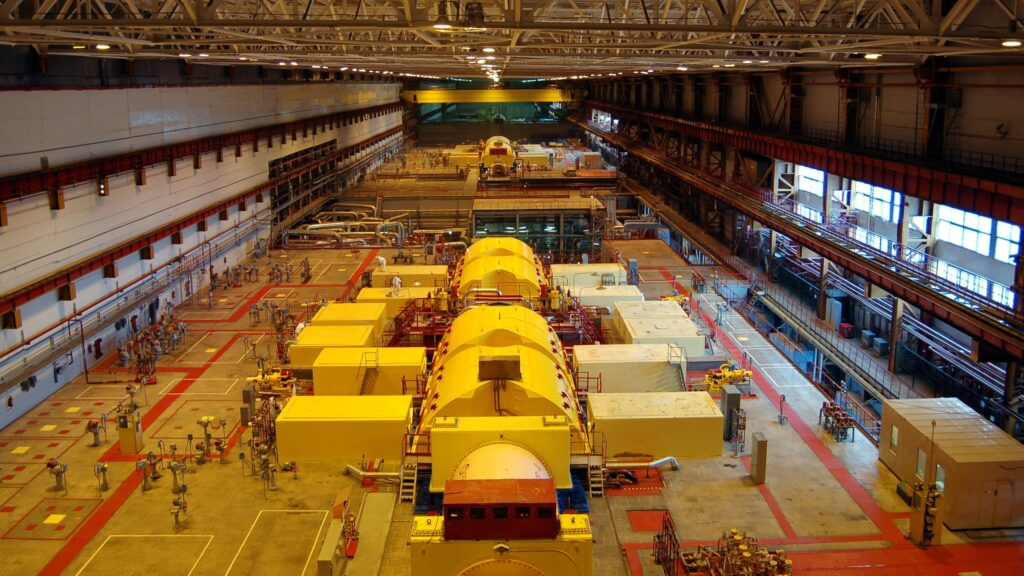
Visiting Ignalina Nuclear Power Plant
History Tucked away in the northwestern corner of Lithuania, near the border with Latvia and Belarus, is the Ignalina Nuclear Power Plant. Notable for containing the only examples of ‘Chernobyl-style’ RBMK nuclear reactors in the European Union, and now the site of a complex decommissioning project, Ignalina NPP offers a fascinating visitor experience. Ignalina NPP
Related Sites
-
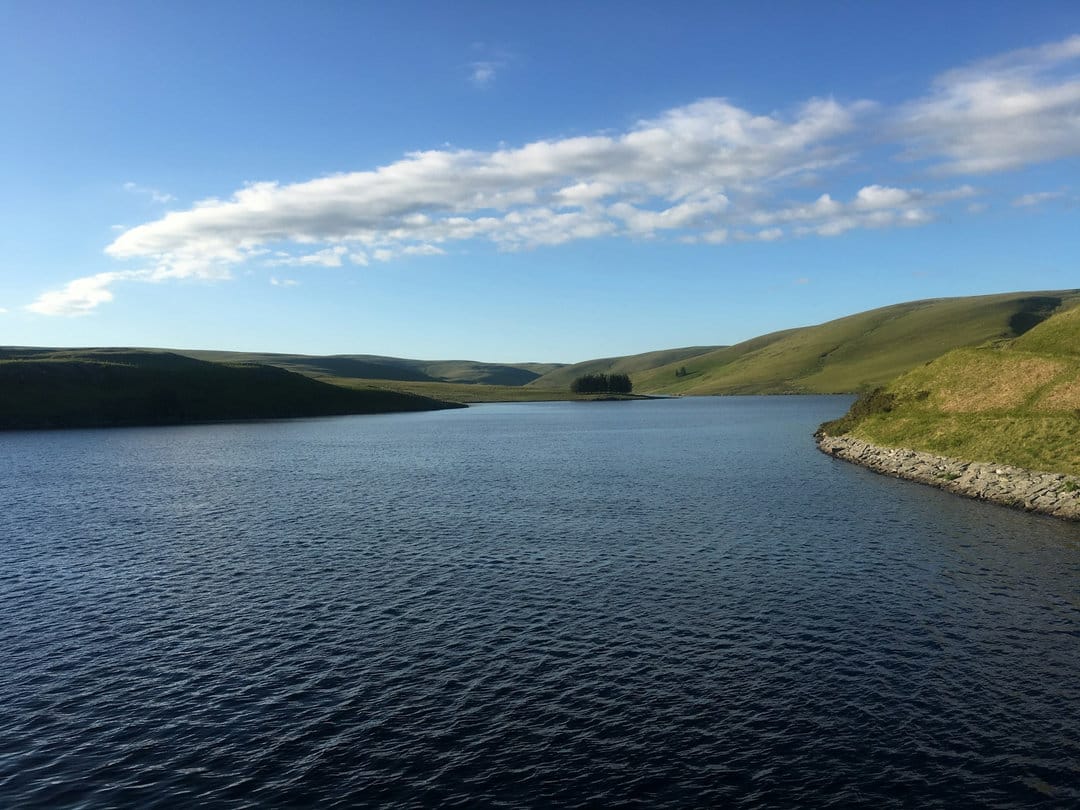
Photo by Sian Bentley-Magee on Unsplash
Windermere Wastewater Treatment Works
Windermere Wastewater Treatment Works treats local sewage using sedimentation, activated sludge, and sludge digestion, forming part of a £200 million upgrade to protect the lake. United Utilities offers 90‑minute guided tours for small groups (age 9+), providing PPE and expert insight into treatment stages, environmental safeguards, and future filtration innovations.
-
Photo by Sian Bentley-Magee on Unsplash
Beckton Sewage Treatment Works
Beckton Sewage Treatment Works is one of Europe’s largest wastewater facilities, serving over four million people in London. Operational since 1864, it now includes advanced treatment systems, sludge-to-energy generation, and infrastructure for the Thames Tideway Tunnel. Occasional guided tours offer insight into its role in urban sanitation and renewable energy.
-
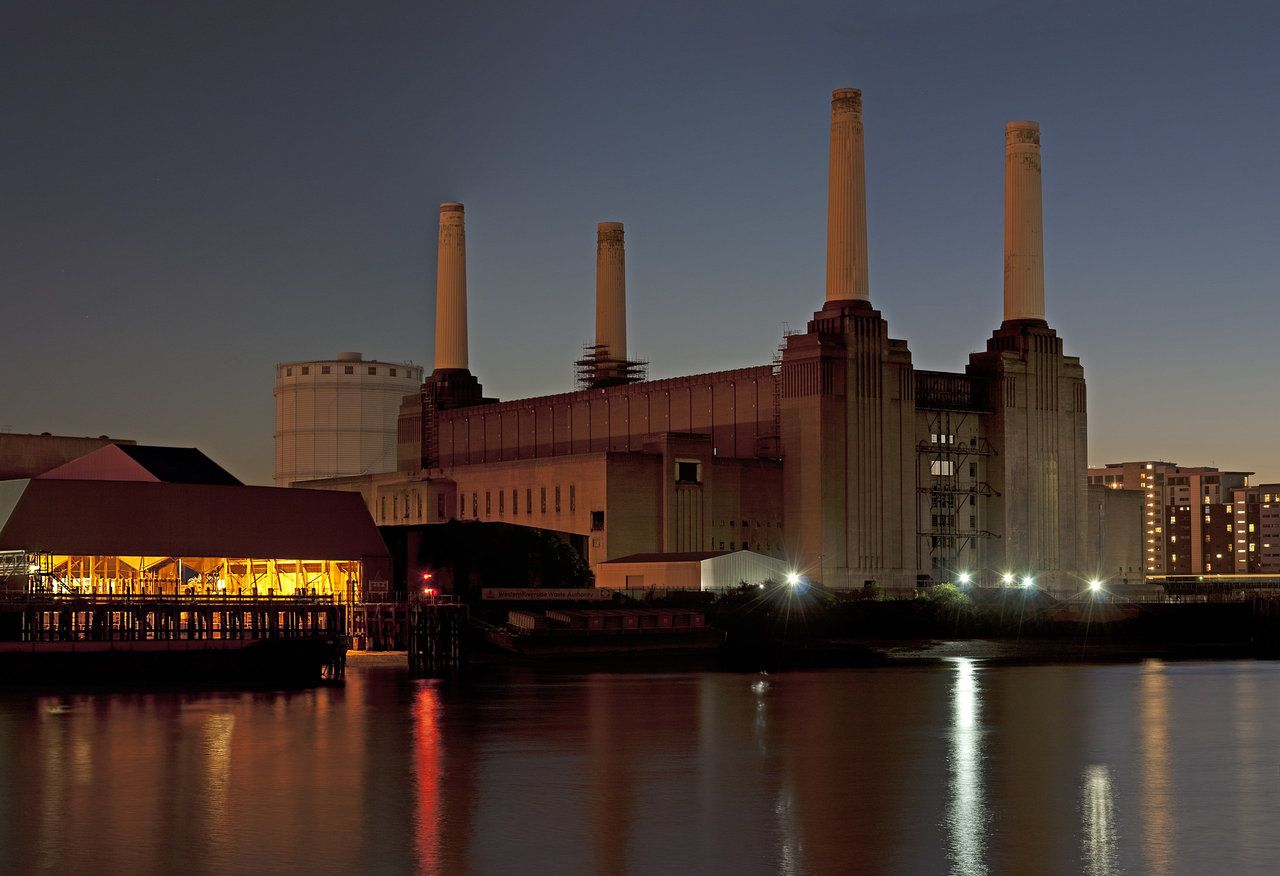
David Samuel, User:Hellodavey1902, CC BY-SA 3.0, via Wikimedia Commons
Battersea Power Station
Battersea Power Station, once the world’s largest brick building, supplied mid‑20th‑century London with electricity. Its Art Deco interiors and four chimneys remain central to the 2022 redevelopment into a mixed‑use complex. Guided tours explore restored Control Rooms and turbine halls, offering a striking example of industrial heritage conservation.
