
Battersea Power Station
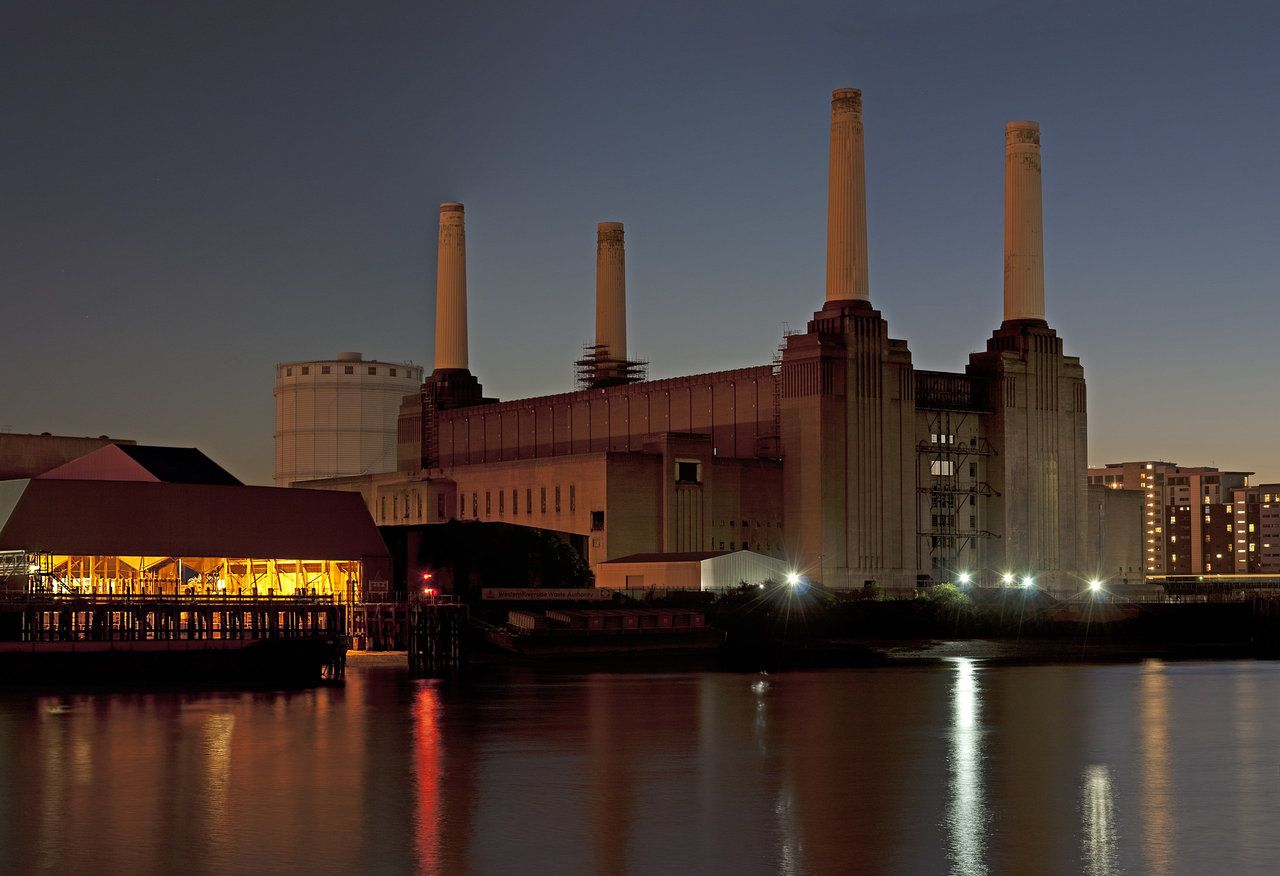
David Samuel, User:Hellodavey1902, CC BY-SA 3.0, via Wikimedia Commons

About this Site
Battersea Power Station is a decommissioned coal-fired power station (Units A & B, online 1935–1983), notable for its Art Deco interior designed by Giles Gilbert Scott and four chimneys. It was the world’s largest brick building and essential to London’s mid-20th-century electricity supply. After decades of decline, it was restored and reopened in 2022 as a mixed-use complex, preserving heritage structures such as Control Rooms A & B and the turbine halls, which now host tours. The renovation features modern structural reinforcement, adaptive reuse for commerce and residences, and integration of cultural and community spaces—presenting a model of industrial conservation.
Visitor Information
Official guided tours are held Mondays (approx. 75 min) and include access to restored Control Room A and the general turbine hall; tours involve walking and standing and are accessible. Self-guided Control Room B audio tours run from Sunday to Friday and last around 30 minutes, with optional champagne. Prices are £12 (tour only) or £23 (with glass). Visitors must be aged 16+, dressed appropriately, and tours are fully accessible with facilities available – https://www.controlroomb.com/event/audio-guided-tour-for-two/
Open City occasionally run walking tours of the Vauxhall, Battersea and Nine Elms area – https://open-city.org.uk/events/elms-25
Key Info
Type:Power Plant
Visitability:Visitable
Address:Battersea Power Station, London SW11 8BW, UK
Website:Visit
Map
Related Stories
-

Kelham Island Museum
The Kelham Island Museum houses exhibits related to the industrial history of Sheffield. It’s an appropriate location. Kelham Island sits on the River Don, just north of the city centre, and has been home to grinding workshops and later an iron foundry. The museum buildings were originally erected in the 1890’s to house an electricity generating station
-

Mount Tom Price mine
The red earth of Western Australia’s Pilbara holds the world’s largest deposits of iron ore. This harsh and remote region is now home to a network of technologically-advanced mines extracting millions of tonnes of iron ore to meet global demand for steel. It is possible to visit one of the oldest operating mines in the…
-
Visiting Ignalina Nuclear Power Plant
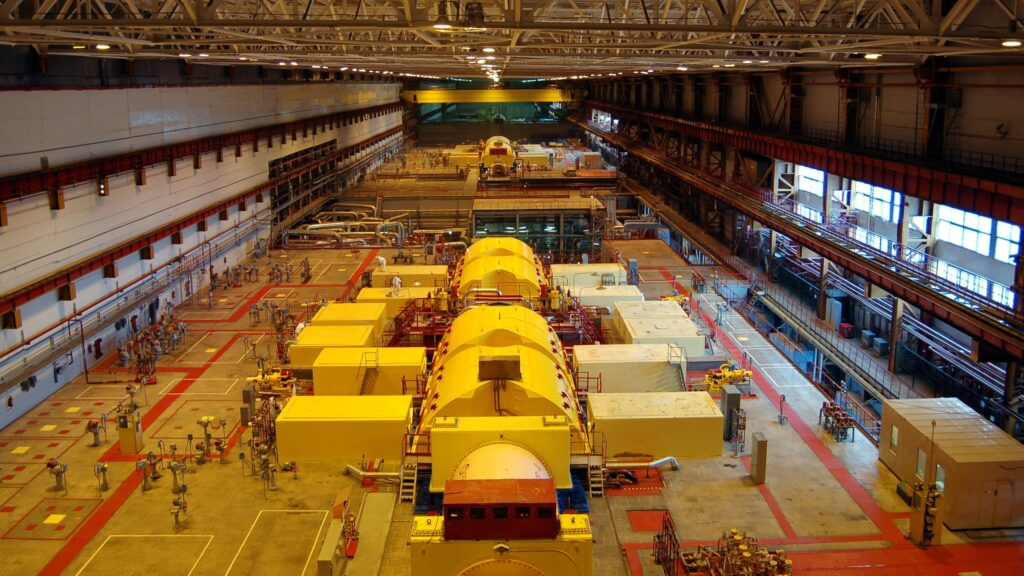
History Tucked away in the northwestern corner of Lithuania, near the border with Latvia and Belarus, is the Ignalina Nuclear Power Plant. Notable for containing the only examples of ‘Chernobyl-style’ RBMK nuclear reactors in the European Union, and now the site of a complex decommissioning project, Ignalina NPP offers a fascinating visitor experience. Ignalina NPP
Related Sites
-
Photo by Sian Bentley-Magee on Unsplash
Windermere Wastewater Treatment Works
Windermere Wastewater Treatment Works treats local sewage using sedimentation, activated sludge, and sludge digestion, forming part of a £200 million upgrade to protect the lake. United Utilities offers 90‑minute guided tours for small groups (age 9+), providing PPE and expert insight into treatment stages, environmental safeguards, and future filtration innovations.
-
Photo by Sian Bentley-Magee on Unsplash
Beckton Sewage Treatment Works
Beckton Sewage Treatment Works is one of Europe’s largest wastewater facilities, serving over four million people in London. Operational since 1864, it now includes advanced treatment systems, sludge-to-energy generation, and infrastructure for the Thames Tideway Tunnel. Occasional guided tours offer insight into its role in urban sanitation and renewable energy.
-
David Samuel, User:Hellodavey1902, CC BY-SA 3.0, via Wikimedia Commons
Battersea Power Station
Battersea Power Station, once the world’s largest brick building, supplied mid‑20th‑century London with electricity. Its Art Deco interiors and four chimneys remain central to the 2022 redevelopment into a mixed‑use complex. Guided tours explore restored Control Rooms and turbine halls, offering a striking example of industrial heritage conservation.