
Port of Hamburg
About this Site
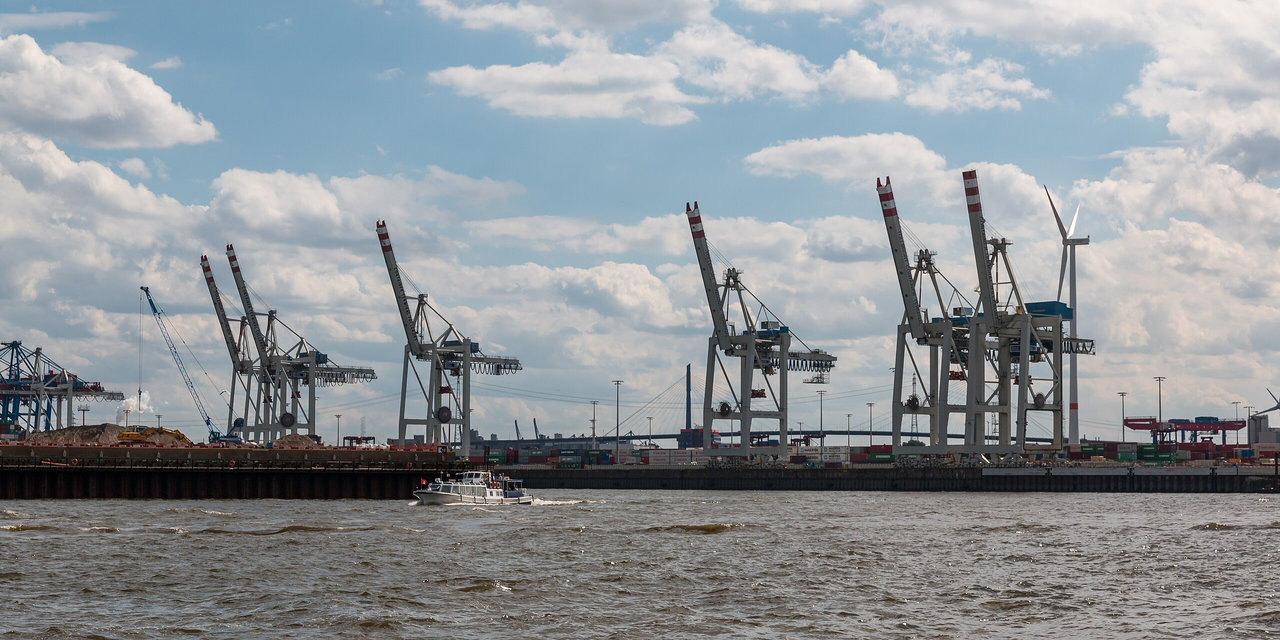
The Port of Hamburg is Germany’s largest seaport and an essential European logistics hub since the 13th century. It encompasses container terminals, bulk handling zones, cruise ship docks, historic warehouse districts, and modern cruise terminals. The port manages millions of TEUs annually and operates extensive inland waterways. Its engineering marvels include container gantries, lock systems, dredging infrastructure, and shore‑power systems, part of ongoing efforts to reduce emissions. Maritime, logistical, and civil engineering elements combine in the port’s urban integration, with HafenCity redevelopment demonstrating innovative waterfront transformation.
Visitor Information
Visitors can explore the port through various tour options:
Boat Harbour Tours: Daily cruises (60–90 minutes) depart from Landungsbrücken piers, traveling through main docks, container terminals, and lock chambers with narrated commentary, including evening tours. Tickets cost ~€20–25.
Walking & Bicycle Guided Tours: Expert greeter-led walks that include port infrastructure, Speicherstadt, and the Old Elbe Tunnel—lasting ~2–3 hours, bookings available for small groups.
Museums: Visit the International Maritime Museum (historic vessels & ship models), Museum Harbour Oevelgönne (historic port crafts) and BallinStadt emigration museum—details available via Hamburg-travel visitor guides.
Accessibility: Select boat tours have wheelchair access; walking tours vary. Tours operate year-round; boat schedules adjust seasonally. Visitors should check weather-dependent changes and reserve tickets in advance during peak seasons (May–Sept).
Related Stories
-

Kelham Island Museum
The Kelham Island Museum houses exhibits related to the industrial history of Sheffield. It’s an appropriate location. Kelham Island sits on the River Don, just north of the city centre, and has been home to grinding workshops and later an iron foundry. The museum buildings were originally erected in the 1890’s to house an electricity generating station
-

Mount Tom Price mine
The red earth of Western Australia’s Pilbara holds the world’s largest deposits of iron ore. This harsh and remote region is now home to a network of technologically-advanced mines extracting millions of tonnes of iron ore to meet global demand for steel. It is possible to visit one of the oldest operating mines in the…
-
Visiting Ignalina Nuclear Power Plant
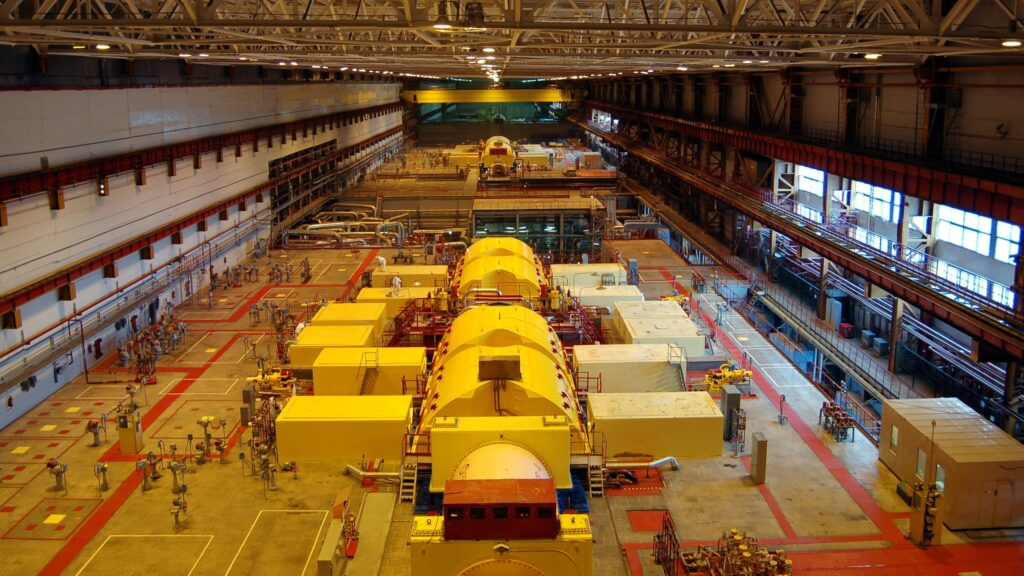
History Tucked away in the northwestern corner of Lithuania, near the border with Latvia and Belarus, is the Ignalina Nuclear Power Plant. Notable for containing the only examples of ‘Chernobyl-style’ RBMK nuclear reactors in the European Union, and now the site of a complex decommissioning project, Ignalina NPP offers a fascinating visitor experience. Ignalina NPP
Related Sites
-
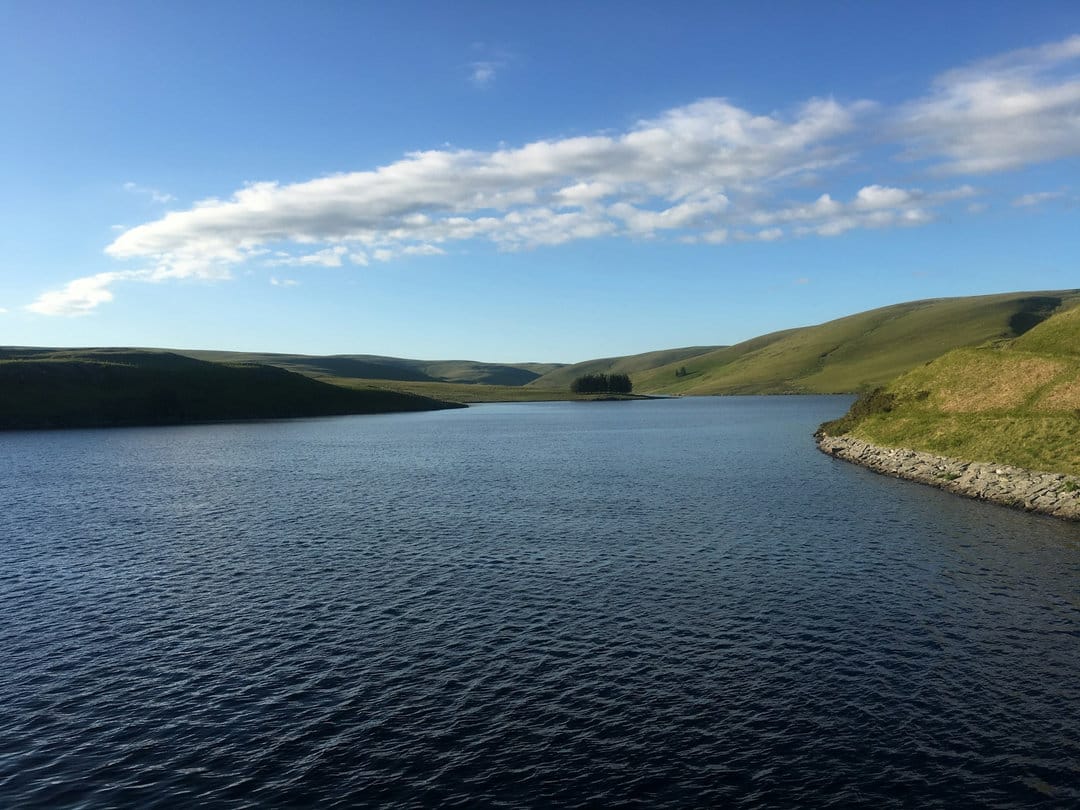
Photo by Sian Bentley-Magee on Unsplash
Windermere Wastewater Treatment Works
Windermere Wastewater Treatment Works treats local sewage using sedimentation, activated sludge, and sludge digestion, forming part of a £200 million upgrade to protect the lake. United Utilities offers 90‑minute guided tours for small groups (age 9+), providing PPE and expert insight into treatment stages, environmental safeguards, and future filtration innovations.
-
Photo by Sian Bentley-Magee on Unsplash
Beckton Sewage Treatment Works
Beckton Sewage Treatment Works is one of Europe’s largest wastewater facilities, serving over four million people in London. Operational since 1864, it now includes advanced treatment systems, sludge-to-energy generation, and infrastructure for the Thames Tideway Tunnel. Occasional guided tours offer insight into its role in urban sanitation and renewable energy.
-
David Samuel, User:Hellodavey1902, CC BY-SA 3.0, via Wikimedia Commons
Battersea Power Station
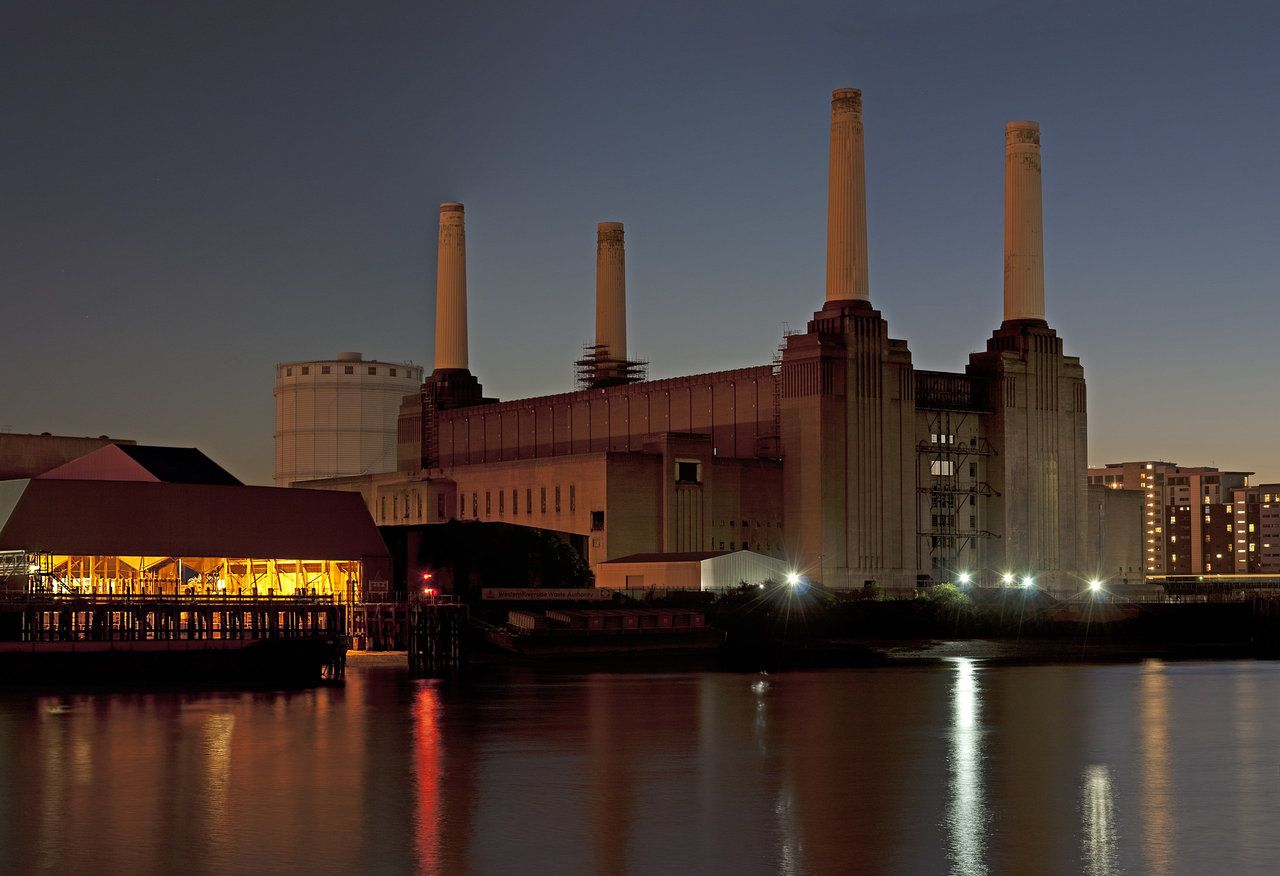
Battersea Power Station, once the world’s largest brick building, supplied mid‑20th‑century London with electricity. Its Art Deco interiors and four chimneys remain central to the 2022 redevelopment into a mixed‑use complex. Guided tours explore restored Control Rooms and turbine halls, offering a striking example of industrial heritage conservation.
