
Gotthard Base Tunnel
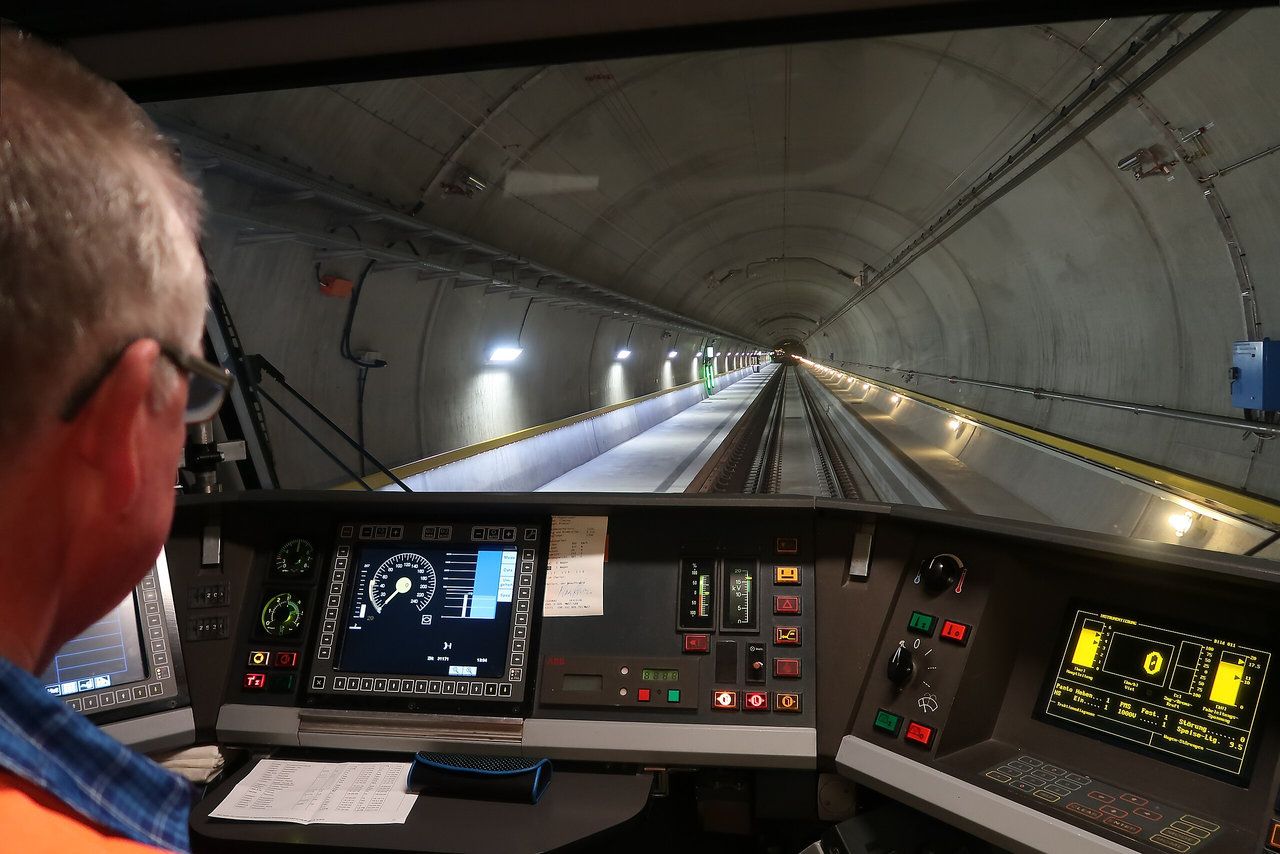
Kecko, CC BY 2.0, via Wikimedia Commons
.jpg)
About this Site
The Gotthard Base Tunnel, opened in 2016, is the world’s longest and deepest railway tunnel, stretching 57 kilometres beneath the Swiss Alps. It forms the centrepiece of Switzerland’s New Railway Link through the Alps (NRLA), a major infrastructure project designed to improve high-speed and high-capacity transit across the north–south axis of Europe. The tunnel connects Erstfeld in the canton of Uri with Bodio in the canton of Ticino, passing up to 2,450 metres beneath the Alpine peaks.
Built at a cost of CHF 9.56 billion, the tunnel comprises two parallel single-track tubes linked by 178 cross passages. It allows freight and passenger trains to bypass steep gradients and winding mountain routes, reducing travel time and energy use while increasing capacity. Alongside the earlier Lötschberg Base Tunnel, it exemplifies the base tunnel concept: low-level, flat railways through the Alps.
The Gotthard Base Tunnel represents a landmark in tunnelling and European transport, shifting long-haul freight from road to rail and enhancing sustainable mobility across the continent.
Visitor Information
Visiting the Gotthard Base Tunnel offers a detailed look at one of Europe’s major infrastructure projects. The Gotthard Tunnel Experience is a guided tour lasting 2 to 4 hours, available in German (with English on request), for groups of 6 to 18 people. It costs CHF 31 per person. The tour includes access to a visitor centre and insights into the construction, technology, and operation of the 57 km rail tunnel. It provides a clear and informative introduction to the tunnel’s role in Alpine transport and its significance in the development of transalpine rail travel.
Key Info
Type:Power Plant
Visitability:Visitable
Address:Uri Tourismus AG Schützengasse 11 6460 Altdorf Switzerland
Website:Visit
Map
Related Stories
-

Kelham Island Museum
The Kelham Island Museum houses exhibits related to the industrial history of Sheffield. It’s an appropriate location. Kelham Island sits on the River Don, just north of the city centre, and has been home to grinding workshops and later an iron foundry. The museum buildings were originally erected in the 1890’s to house an electricity generating station
-

Mount Tom Price mine
The red earth of Western Australia’s Pilbara holds the world’s largest deposits of iron ore. This harsh and remote region is now home to a network of technologically-advanced mines extracting millions of tonnes of iron ore to meet global demand for steel. It is possible to visit one of the oldest operating mines in the…
-
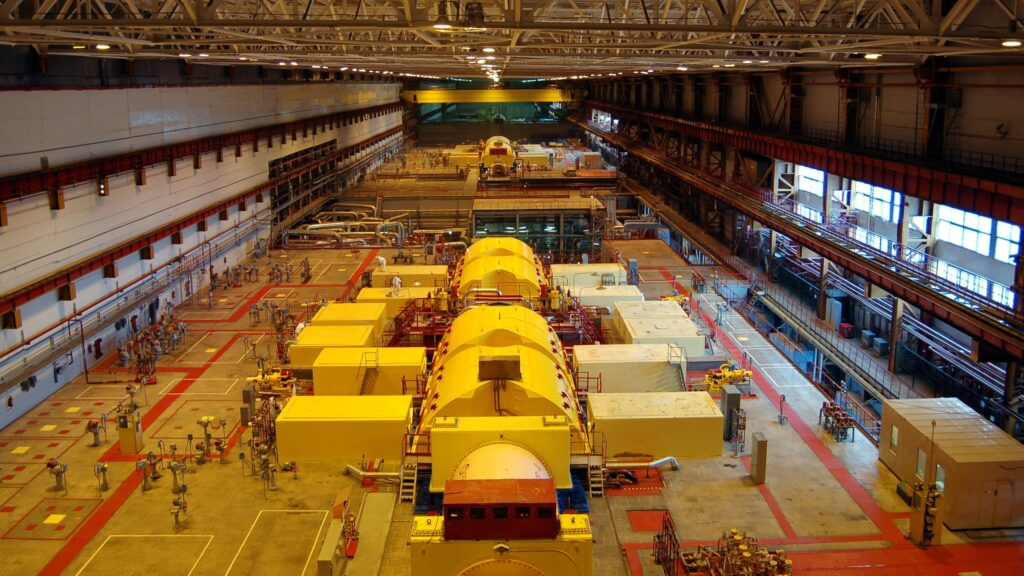
Visiting Ignalina Nuclear Power Plant
History Tucked away in the northwestern corner of Lithuania, near the border with Latvia and Belarus, is the Ignalina Nuclear Power Plant. Notable for containing the only examples of ‘Chernobyl-style’ RBMK nuclear reactors in the European Union, and now the site of a complex decommissioning project, Ignalina NPP offers a fascinating visitor experience. Ignalina NPP
Related Sites
-
Photo by Sian Bentley-Magee on Unsplash
Windermere Wastewater Treatment Works
Windermere Wastewater Treatment Works treats local sewage using sedimentation, activated sludge, and sludge digestion, forming part of a £200 million upgrade to protect the lake. United Utilities offers 90‑minute guided tours for small groups (age 9+), providing PPE and expert insight into treatment stages, environmental safeguards, and future filtration innovations.
-
Photo by Sian Bentley-Magee on Unsplash
Beckton Sewage Treatment Works
Beckton Sewage Treatment Works is one of Europe’s largest wastewater facilities, serving over four million people in London. Operational since 1864, it now includes advanced treatment systems, sludge-to-energy generation, and infrastructure for the Thames Tideway Tunnel. Occasional guided tours offer insight into its role in urban sanitation and renewable energy.
-
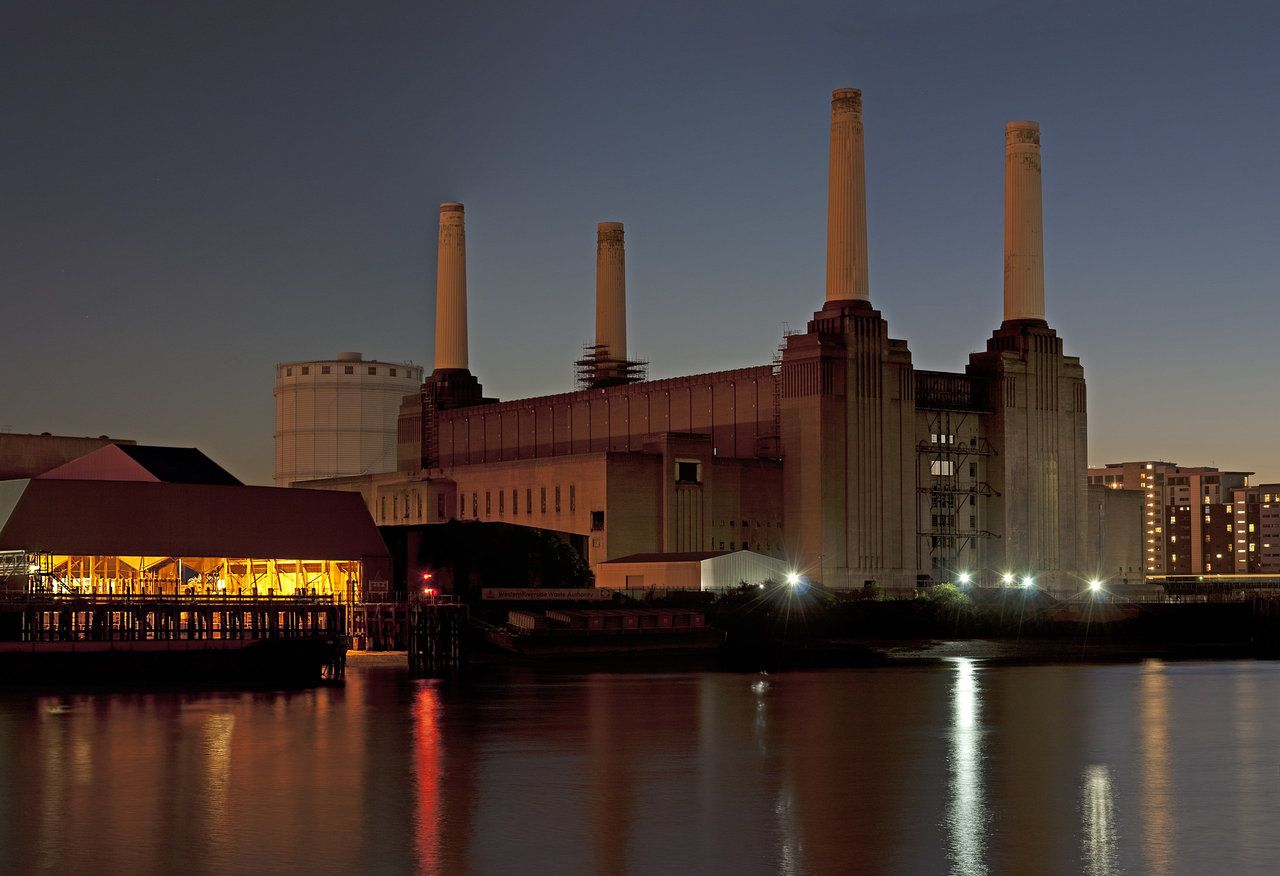
David Samuel, User:Hellodavey1902, CC BY-SA 3.0, via Wikimedia Commons
Battersea Power Station
Battersea Power Station, once the world’s largest brick building, supplied mid‑20th‑century London with electricity. Its Art Deco interiors and four chimneys remain central to the 2022 redevelopment into a mixed‑use complex. Guided tours explore restored Control Rooms and turbine halls, offering a striking example of industrial heritage conservation.
