
All Sites
-
Windermere Wastewater Treatment Works
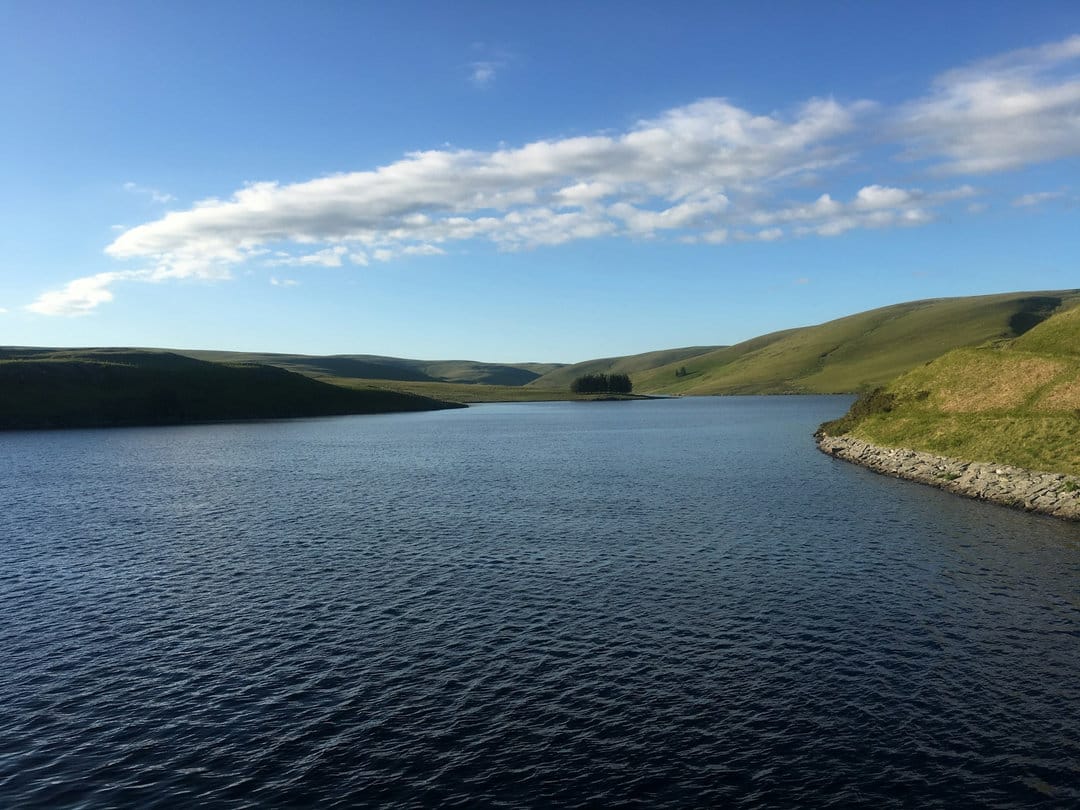
Windermere Wastewater Treatment Works treats local sewage using sedimentation, activated sludge, and sludge digestion, forming part of a £200 million upgrade to protect the lake. United Utilities offers 90‑minute guided tours for small groups (age 9+), providing PPE and expert insight into treatment stages, environmental safeguards, and future filtration innovations.
-
Beckton Sewage Treatment Works
Beckton Sewage Treatment Works is one of Europe’s largest wastewater facilities, serving over four million people in London. Operational since 1864, it now includes advanced treatment systems, sludge-to-energy generation, and infrastructure for the Thames Tideway Tunnel. Occasional guided tours offer insight into its role in urban sanitation and renewable energy.
-
Battersea Power Station
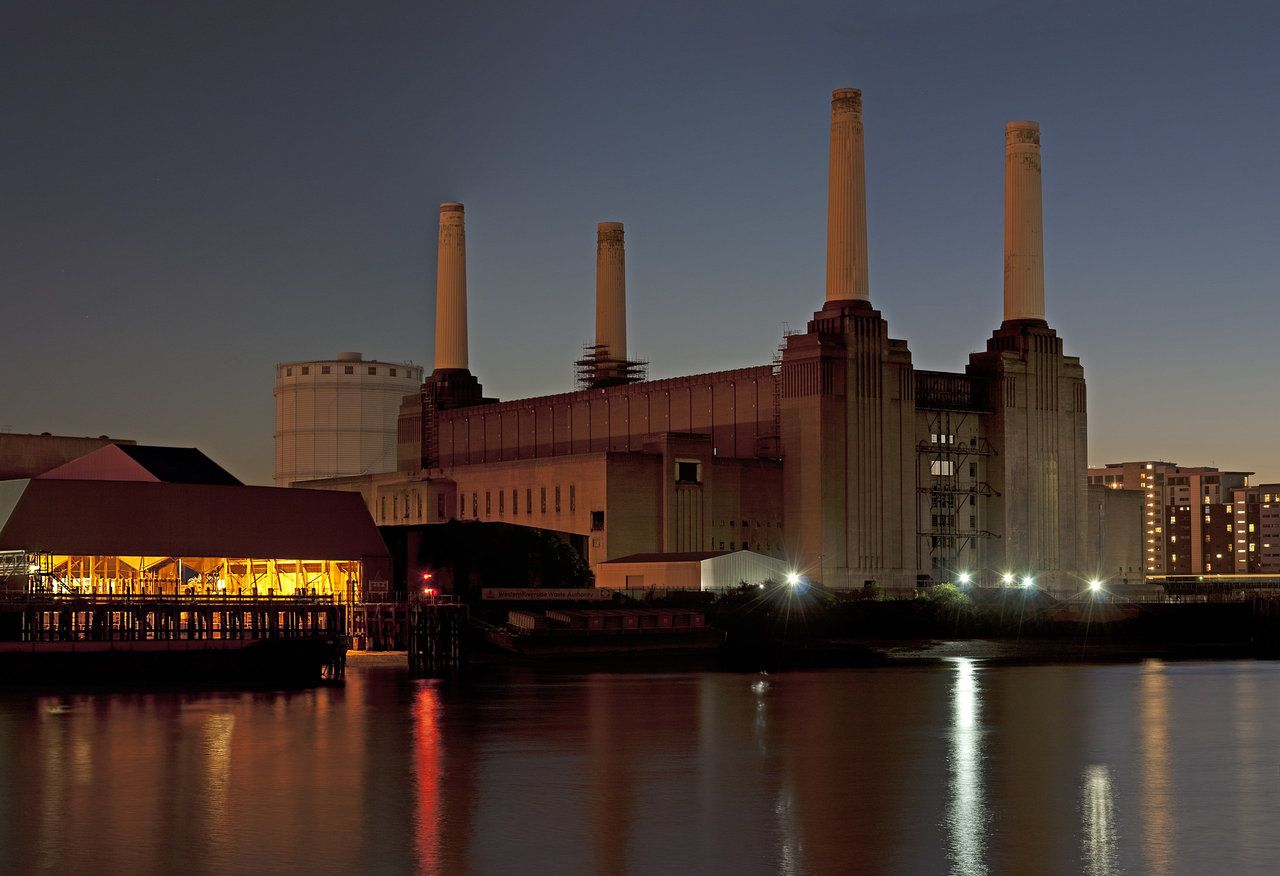
Battersea Power Station, once the world’s largest brick building, supplied mid‑20th‑century London with electricity. Its Art Deco interiors and four chimneys remain central to the 2022 redevelopment into a mixed‑use complex. Guided tours explore restored Control Rooms and turbine halls, offering a striking example of industrial heritage conservation.
-
Crossness Pumping Station
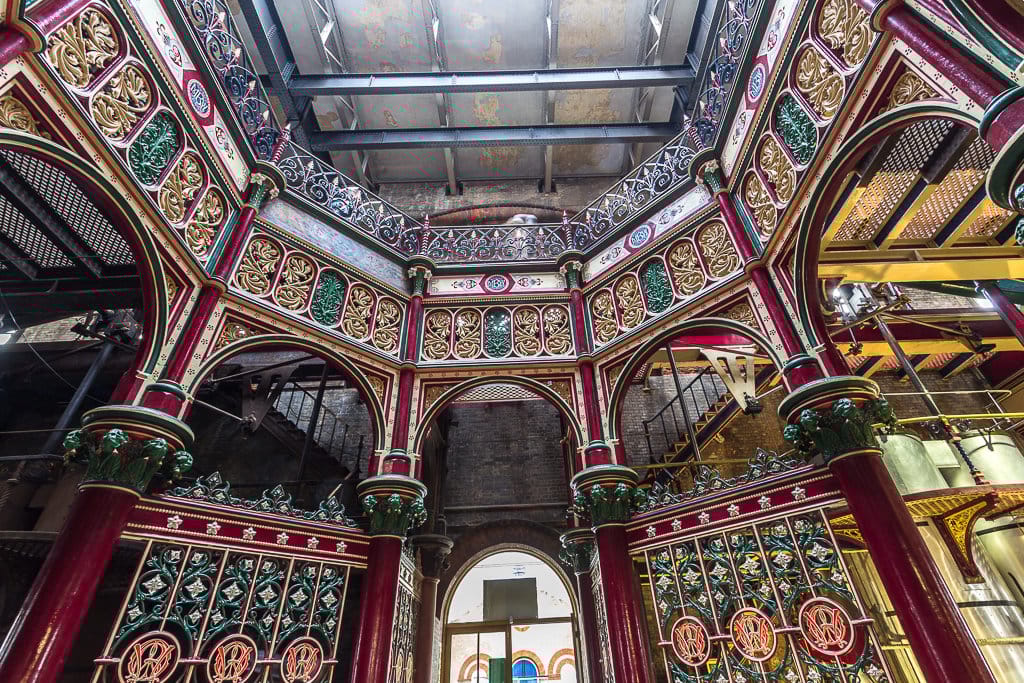
Crossness Pumping Station is a restored Victorian sewage facility featuring ornate ironwork and a working beam engine. Built in the 1860s, it exemplifies 19th-century civil engineering. Open on select days, it offers guided tours of historic machinery and exhibitions on London’s sanitation history.
-

Thames Barrier
The Thames Barrier, completed in 1984, is a major flood defence protecting London from tidal surges. Its ten rotating steel gates, each up to 20 m high, can seal the Thames during high tides. A visitor centre offers exhibits, models, and films on barrier operations, with riverside paths providing year-round viewing opportunities.
-
Funchal Electricity Museum
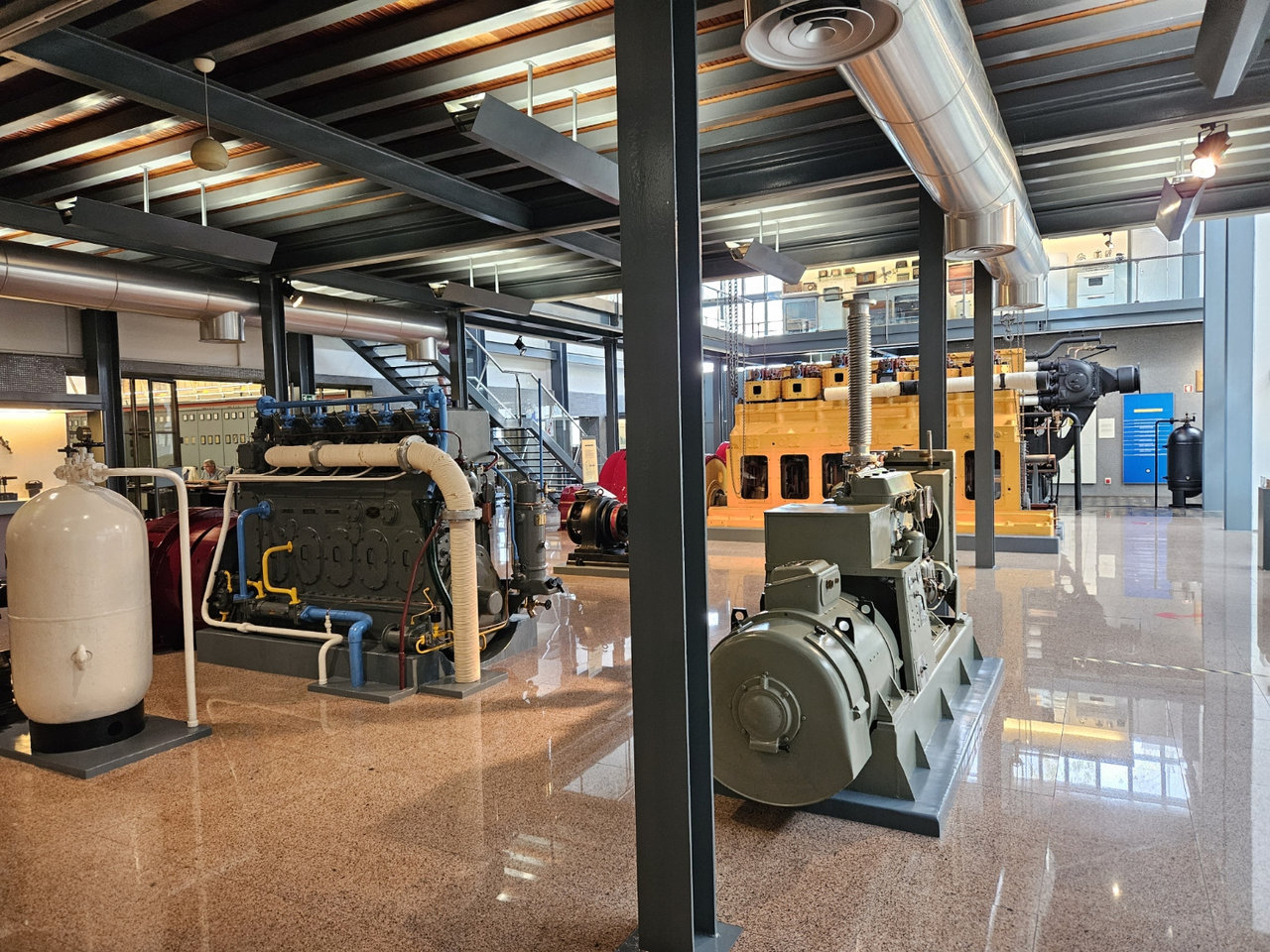
Funchal Electricity Museum, in a former 1897 power station, traces Madeira’s electrification through historic boilers, generators, and lighting exhibits. Interactive displays and rare machinery connect past engineering to future sustainability. Open Tuesday–Saturday, it offers guided and self‑guided tours, a document centre, and accessible facilities for visitors interested in industrial heritage and energy history.
-
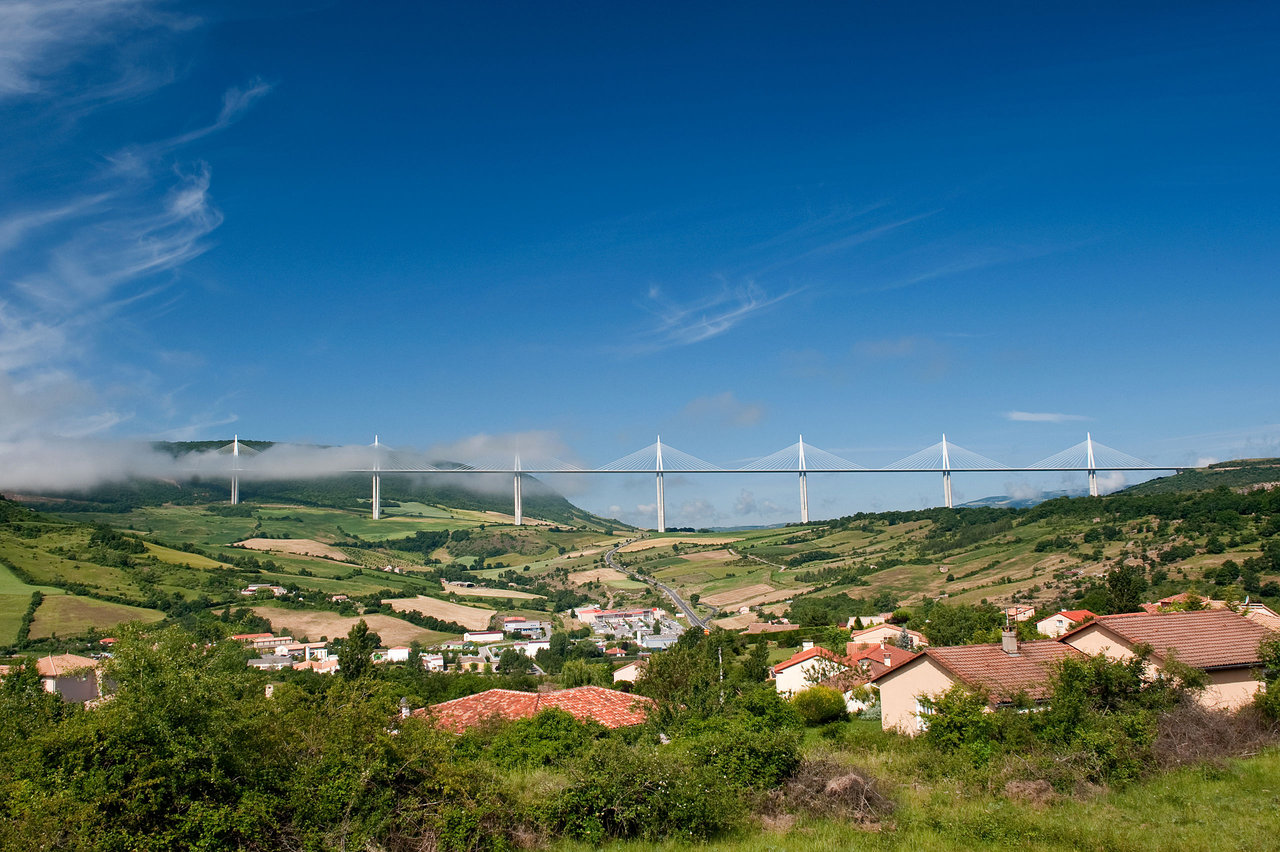
Millau Viaduct
The Millau Viaduct, completed in 2004, is the world’s tallest bridge at 343 m above the Tarn valley. Its 2,460 m cable-stayed deck, designed by Michel Virlogeux and Norman Foster, spans seven piers with graceful steel stays. Visitors can explore the free exhibition, enjoy hilltop viewpoints, or join guided tours beneath the soaring structure.
-
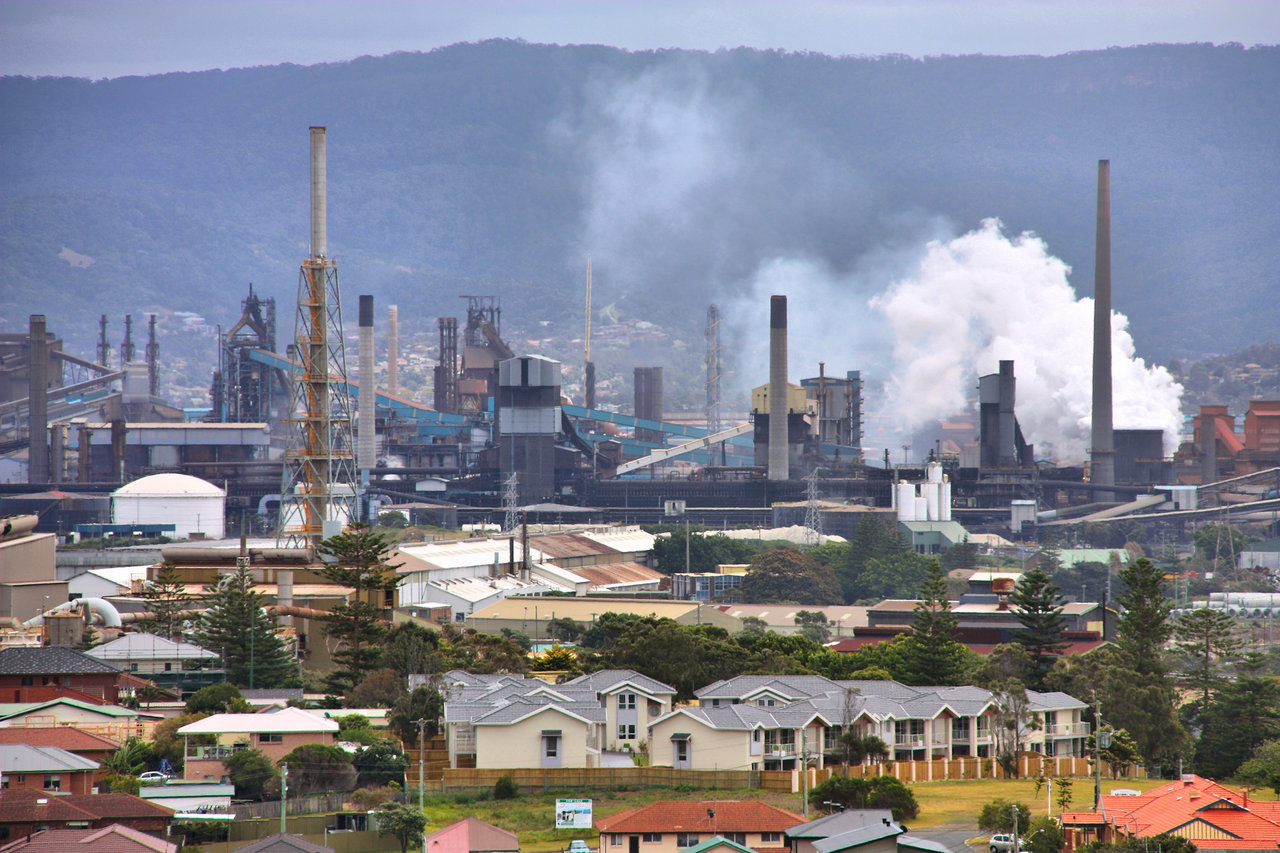
Port Kembla Steelworks
Port Kembla Steelworks, operating since 1928, is one of Australia’s largest steel plants, producing slabs, rails, and plates across a 760-hectare site. Guided tours run most Fridays and Saturdays, offering 2.5-hour bus and walkway access through active furnaces, slab casters, and rolling mills. Visitors experience the heat, motion, and scale of modern steelmaking.
-
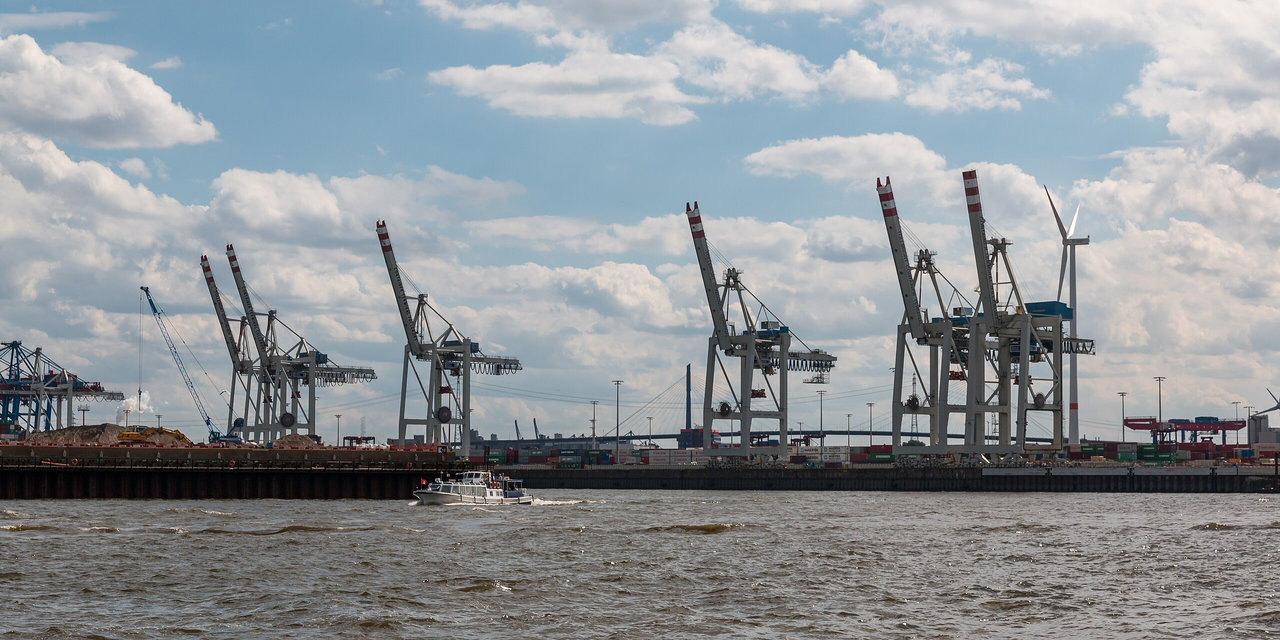
Port of Hamburg
Germany’s largest seaport, the Port of Hamburg combines container terminals, bulk zones, locks, and historic warehouse districts with modern waterfront redevelopment. Visitors can explore via 60–90 minute harbour cruises, guided walking or cycling tours, and maritime museums including Speicherstadt and the International Maritime Museum. Seasonal schedules and advance booking are recommended for peak months.
-
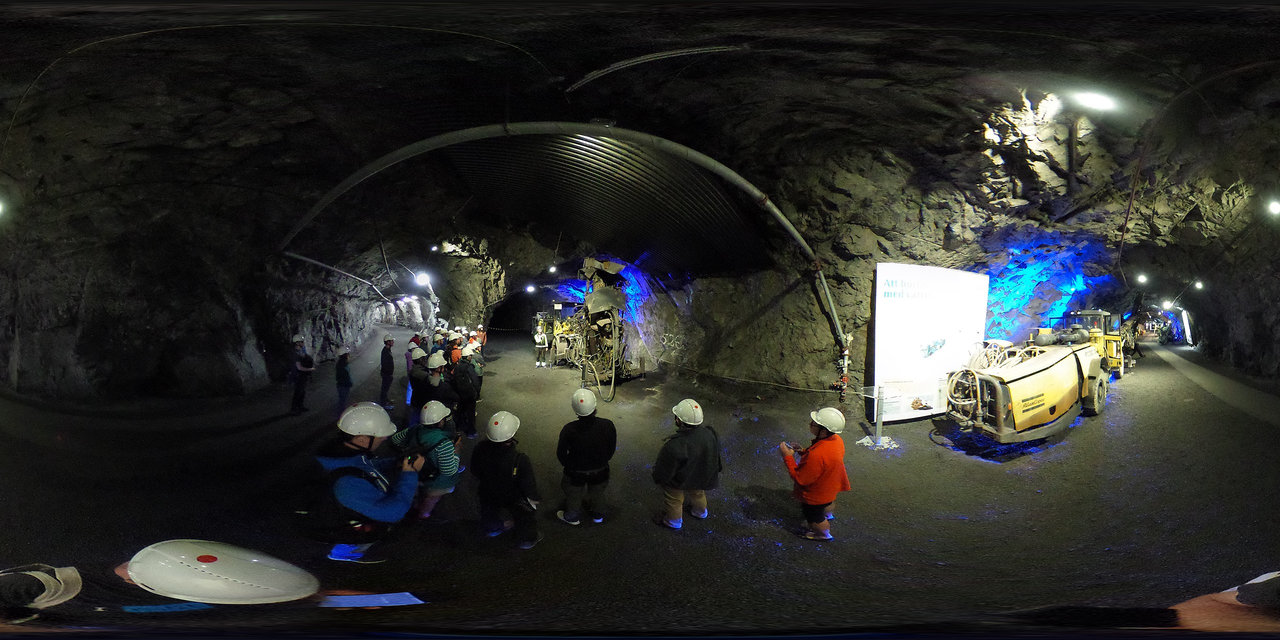
LKAB Visitor Mine
Kiruna in northern Sweden is the world’s largest underground iron‑ore mine, descending to 1,365 m. Visitors descend 540 m to the exhibition level, exploring full‑scale machinery, ore‑handling systems, geology displays, and the story of the city’s relocation for mining. Guided tours (90–120 min) run year‑round with advance booking, offering a rare view of deep‑level industrial engineering.